
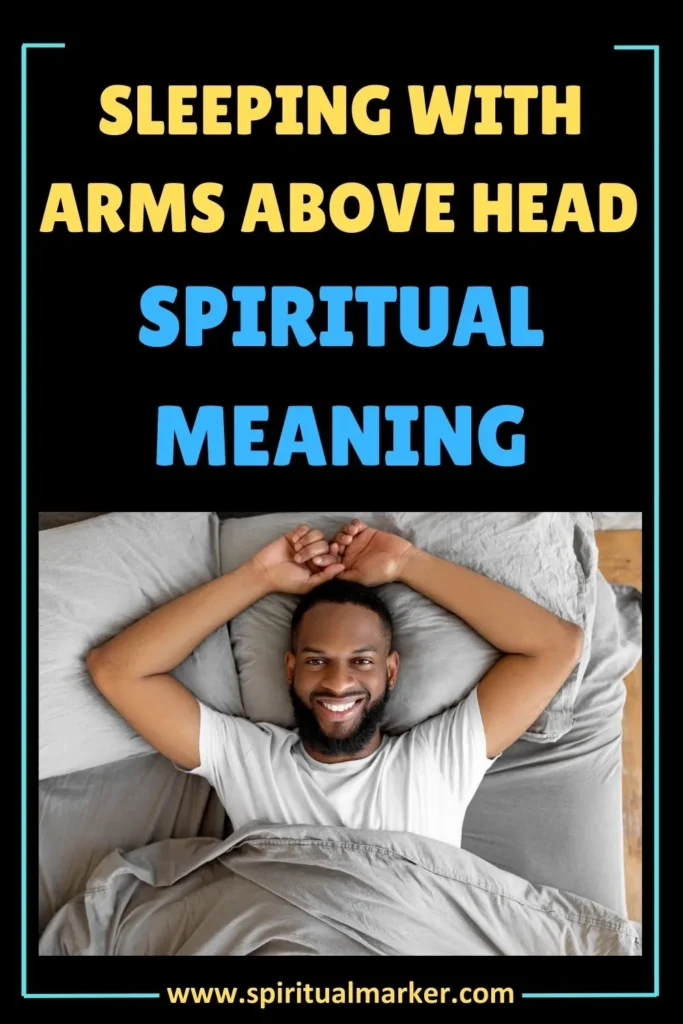
Sleeping with your arms above your head is a common position. Some people find it comfortable, while others wake up with numb hands. Beyond physical comfort, many people sense a spiritual meaning.
The spiritual meaning of sleeping with arms above head often involves surrender, openness, and receiving. This position exposes the heart and armpits, areas linked to vulnerability and protection. A spiritual meaning of sleeping in the fetal position shares that sleep focus, though the fetal position is about protection.
Some traditions view this position as a sign of trust or a need to release control. Others see it as a call to open your heart. The duration and frequency can add detail.
If you wake up with tingling hands, it may be a call to adjust your posture. A spiritual meaning of types of sleeping positions also deals with sleep positions, though each one carries its own message.
Hands Position While Sleeping and Its Spiritual Connection
The way your hands rest during sleep often reveals the stories your conscious mind hides. Hands represent action, expression, and personal power. They help you shape your world. When they move toward specific positions during sleep, they can reflect changes in your emotions or internal energy.
Many spiritual traditions see the hands as channels for energy. In healing practices, they guide warmth and intention. In meditation, they form mudras that shift emotional states. During sleep, your hands continue this role in a quiet, unconscious way.
If your hands move above your head, your body may be opening itself to receive energy rather than defend against it. This posture can indicate a spiritual or emotional readiness that you may not fully recognize while awake.
Since sleep reduces mental barriers, your natural tendencies express themselves more freely. The hands rising upward might represent a subtle form of surrender, openness, or energetic awakening.
People who consistently sleep in this position often describe a sense of lightness or relief upon waking. The posture almost mirrors a gentle stretch, which resembles the body reaching for clarity or release.
When you look at this through a spiritual lens, the position connects more deeply to the upper chakras, especially the crown chakra that symbolizes intuition and connection to higher wisdom.
Why Do I Sleep With My Arms Above My Head?
There are several practical and energetic reasons for this habit. Physically, this posture sometimes helps the body breathe more freely. It opens the chest and expands the space around the ribs. People who naturally seek comfort may instinctively lift their arms to improve airflow or ease shoulder pressure.
Emotionally, this posture often appears in people who carry unresolved stress during the day. When you sleep, your body may stretch upward in an attempt to release tightness stored around the chest or upper back. Sleeping with your arms above your head can feel like a long exhale that happens without thought.
On a spiritual level, this position can point to a desire for openness. You may be attempting to let go of something that weighs heavily on you, even if you have not consciously confronted it. The posture sometimes appears during moments of personal growth or transition. For some, it shows up after emotional breakthroughs. For others, it begins during a time when their intuition becomes stronger.
There are people who adopt this position simply because it feels natural. The posture becomes part of their personal sleep signature. Yet even then, it often aligns with specific personality traits. Those who sleep like this usually have a free spirited or introspective nature. They tend to think deeply, seek meaning, and prefer emotional honesty within themselves.
12 Spiritual Meanings of Sleeping With Arms Above Head
1. Spiritual Attunement and Seeking Answers Beyond the Material World
When someone sleeps with their arms raised, the body often reveals a longing for something deeper than ordinary life. This position can signal a quiet desire to connect with guidance that sits beyond physical understanding.
During rest, the mind steps away from daily noise, and this posture may show that the inner self is reaching for clarity. Many people who naturally adopt this sleeping style tend to question life on a deeper level. They think about purpose, direction, and the meaning behind their experiences.
Because the arms stretch upward, the body expresses a symbolic gesture of receiving. It shows a readiness to tune into higher wisdom.
Although this happens unconsciously, the message remains powerful. The posture mirrors the act of opening the mind, similar to how meditation brings awareness inward. By lifting the arms, the sleeping body creates space around the chest, which often reflects an inner desire to understand something greater. [1]
2. Acceptance of Change and Transformation
This meaning highlights the emotional shift happening beneath the surface. When the arms rise during sleep, the body may be expressing readiness to welcome new experiences.
Many people go through periods where they release old habits or beliefs, and this sleeping position often appears during such moments. The upward movement resembles the act of letting go, almost like dropping the weight of past struggles.
Furthermore, the posture can reflect a growing trust in the future. It suggests that the person feels ready to move into a more healed version of themselves. Because sleep strips away conscious control, the body’s natural position often reveals the truth more clearly than daytime behavior. So when the arms lift, the body may be saying that transformation is happening internally.
People experiencing emotional renewal often describe feeling clearer or lighter when they wake up after sleeping in this position. The body aligns with the mind, and together they express acceptance of change. [2]
3. Surrender to the Universe
This posture frequently expresses a deep sense of release. Instead of resisting challenges, the body shows a quiet willingness to stop fighting and trust the path forward. When the arms curve upward, the gesture often looks similar to someone surrendering their struggles. It is not about weakness. Instead, it reflects inner peace and confidence that life will guide them where they need to be.
Many people who sleep like this describe a feeling of relief or spaciousness in their chest. This mirrors emotional surrender. The posture offers a symbolic signal that the individual no longer feels the need to control every detail. Instead, they choose to relax into the natural flow of life. They trust that things will unfold in the right way.
During sleep, this surrender becomes more honest because the mind cannot filter the body’s expression. The raised arms can show that the inner self is ready to release old tension and welcome balance.
This meaning often appears during times when someone stops forcing outcomes and begins to accept what is meant for them. The position quietly expresses faith, openness, and a calmer approach to life. [1]
4. Spiritual Openness and Trust
Sleeping with arms above the head can reveal a heart that feels open and trusting. The posture often resembles an inviting gesture, as if the person feels safe enough to relax completely. Because the arms leave the sides and rise upward, the body exposes the chest area, which symbolizes emotional honesty. This can reflect a person who has let go of defensiveness.
Additionally, this position may show innocence and purity of intention. The individual is not bracing for harm. Instead, they move into a shape that signals calm and acceptance. The posture becomes a form of emotional transparency. It shows that the inner self feels secure enough to rest without fear.
This meaning fits people who allow emotions to flow instead of suppressing them. Their nights become a safe space where their subconscious expresses trust in the universe. While the mind sleeps, the body releases the need for control and embraces a protective openness. This reveals a strong connection between emotional safety and the posture itself. [3]
5. Indicator of Emotional Openness
This meaning dives even deeper into vulnerability. When someone sleeps with their arms lifted, they may be silently expressing the need to release tension from their chest or heart. The posture removes protective barriers around the body. As a result, it often communicates readiness to open up emotionally or spiritually.
This position may also reflect the desire to stop holding back. Many people who choose this posture frequently struggle with pressure or suppressed feelings during the day. At night, the body softens, and the arms rise as a symbol of letting the heart breathe. This gesture shows that the person is prepared to face emotions they might avoid while awake.
In addition, the posture helps reveal connection seeking behavior. It may symbolize a deeper willingness to allow intimacy, harmony, or emotional clarity into their life. Because emotional growth often begins with vulnerability, this position can mark the starting point of personal expansion. Through this simple gesture, the body expresses a message of openness and readiness for healing conversations. [3]
6. Openness to Divine Energy and Unobstructed Energy Flow
This meaning relates to the idea of energy moving freely through the body. When the arms rise above the head, the posture creates length and space through the upper body. This allows breath and energy to flow with fewer blocks. Many traditions believe that energy must travel upward for clarity and inner alignment. This position helps support that movement.
Additionally, the upward gesture resembles reaching toward a higher source of power. The body positions itself in a way that reflects receptivity. It becomes a channel ready for inspiration, insight, or elevated awareness. This posture can signal a moment when personal energy aligns more easily with greater forces.
Because sleep allows the mind to quiet down, the body’s natural tendencies reveal its authentic state. The raised arms indicate that the inner self wants to stay connected to greater guidance. It shows the desire to receive direction, wisdom, or protection. As the arms rise, the pathway between mind and higher awareness becomes more open.
The position also softens emotional pressure. It creates balance and supports the movement of energy across the chest and head. People who sleep this way often wake up feeling clearer because their energy moved freely during the night. The posture becomes a silent expression of readiness for alignment and growth. [4]
7. Worry and Subconscious Processing of Stress
Sleeping with the arms raised can also reveal hidden emotional strain. While this posture often symbolizes openness, it may sometimes show that the subconscious mind is trying to manage unresolved tension. When someone carries pressure during the day, their body often releases it during the night. As the arms lift, the chest opens, which naturally encourages deeper breaths. This movement can help the body process stress that the conscious mind struggles to handle.
Although the person may feel calm on the outside, the body may still be working hard internally. The raised arms can act as a relief valve. They create space in the upper body, allowing emotional heaviness to soften. Many people who experience this meaning describe waking up feeling unsettled or tired, not because the posture harms them, but because their inner world is trying to resolve something.
Furthermore, this meaning becomes more noticeable during periods of change, conflict, or emotional overload. While asleep, the body tries to regulate itself. The arms may lift to reduce tension around the shoulders and chest. This gesture often signals that the subconscious is actively processing something that requires attention. It encourages self reflection and suggests that the individual may benefit from addressing their emotional load more consciously. [4]
8. Connection with Higher Powers and Spiritual Guides
Raised arms during sleep can resemble the universal gesture of reaching upward for guidance. Many traditions across history have used upward hand positions to symbolize connection with divine forces or ancestral presence. When the body naturally moves this way during rest, it may reflect a deep desire for comfort or insight from higher powers.
As the arms rise, the posture opens the upper part of the body, which often symbolizes receptivity. This creates a symbolic channel between the self and unseen guidance. Some people experience vivid dreams, intuitive messages, or a strong sense of inner direction during periods when they sleep like this. Although the person is not aware of making this gesture, the body may instinctively move into a shape that invites connection.
Additionally, this meaning often appears in people who seek purpose or clarity. Their subconscious expresses the longing for support. The posture mirrors ancient rituals where individuals lifted their hands to receive help or blessings. As the body rests in this shape, it sends a message outward, almost like a silent call for wisdom.
This meaning also highlights the desire to be protected. The upward motion draws energy upward and away from the ground, giving the sense of reaching toward something safe and comforting. It becomes a wordless prayer formed by the body during sleep. [5]
9. Symbol of Safety and Security Need
While this meaning leans toward emotional interpretation, it still connects deeply with inner well being. Some individuals adopt this posture when they seek emotional reassurance. When the arms rise or tuck themselves in certain ways, the body may be trying to create a sense of internal safety.
People who have experienced emotional vulnerability or recent stress may unconsciously search for comfort. Although raised arms appear open, the gesture can still reflect a hidden need for protection. It works like an internal signal that says the person wants to feel held or sheltered. The subconscious attempts to create this safety through posture.
This meaning becomes clearer when paired with other cues, such as frequent nighttime awakenings or restless movements. The raised arms offer a kind of self comfort. They mimic the gesture of stretching toward security, almost as if the body wants reassurance that it is safe to rest.
Moreover, when people undergo emotional challenges, the body often expresses tension through sleep positions. The arms lift in response to internal discomfort. Although the posture might seem relaxed, it sometimes covers a deeper need for grounding. Once life stabilizes, the posture may shift naturally. [6]
10. Silence Link to Higher Powers and Letting Go
Raised arms can subtly mimic ancient gestures of praise or devotion. This sleeping position often reflects the desire to connect with something higher than personal concerns. While the mind sleeps, the body expresses an unspoken gesture of letting go. The arms move upward, almost as if lifting worries into the light.
This meaning highlights the quiet bond between the inner self and higher wisdom. Instead of clinging to fear or confusion, the body chooses release. The chest opens, the shoulders relax, and the upward gesture forms a symbolic offering. People who adopt this posture often report a sense of relief upon waking, even when they cannot explain why.
Additionally, the gesture embodies humility. It shows willingness to receive guidance, healing, or clarity. Because sleep softens ego driven thoughts, the body expresses what the heart cannot always say aloud. The raised arms signify openness to understanding. They mark a moment when the individual stops resisting and begins allowing.
This meaning becomes powerful during emotional transitions. When life feels uncertain, the body may instinctively surrender through this posture. It lets go not through words but through shape. The arms extend upward, creating a bridge between inner confusion and higher clarity. [7]
11. Readiness to Embrace New Opportunities
When someone wakes with their arms above their head, the posture often gives the impression of stretching into a fresh chapter. It symbolizes a sense of readiness that emerges from deep within. The body expresses willingness to receive new blessings or opportunities. This meaning appears most strongly when someone is entering a period of change or growth.
The posture looks expansive. It opens the chest and lifts the upper body, which often mirrors emotional expansion. The person may be letting go of past fears without consciously trying. As the arms rise, the body signals fresh beginnings. It shows that the inner self feels ready to accept new experiences, relationships, or challenges.
This meaning can also reflect freedom. When people stop holding onto limitations, their body often mirrors this release during sleep. The raised arms resemble a greeting toward life’s next chapter. They express excitement, relief, and anticipation in a silent, graceful way.
Moreover, this posture encourages positive energy flow. It allows the breath to deepen and the mind to soften. When someone sleeps this way consistently, it may reflect their growing openness toward life’s possibilities. The body becomes a symbol of readiness for transformation. [8]
12. Emotional Release and Connection to Higher Self
Sleeping with arms raised can reveal a powerful moment of emotional liberation. The posture often appears when someone starts releasing internal burdens. Because the arms stretch upward, the chest area opens, allowing emotional tension to flow out more easily. This release supports deeper healing.
Furthermore, the gesture reflects the subconscious reaching toward the higher self. The body may be trying to align with inner truth. Many people describe periods of raised arm sleeping during times when they rediscover their identity or reconnect with their purpose. The posture mirrors this journey. It becomes a physical sign of reconnecting with authenticity.
The upward motion also reflects personal freedom. It expresses relief after emotional heaviness. While the person sleeps, their inner self reaches for clarity. The gesture shows that the individual is ready to understand themselves more deeply.
Because sleep removes external distractions, the body shifts into positions that reveal genuine needs. The raised arms signal a moment when the internal world becomes aligned with personal truth. It is a quiet declaration of release, growth, and renewed connection. [3]
Meaning of Sleeping With One Hand Above Head Versus Two Hands Above Head
Your posture becomes even more meaningful when you compare one hand above your head with both hands above your head. When only one hand rises, your body may be trying to balance vulnerability with protection. One side of you opens while the other side remains grounded. This combination often appears when you are navigating mixed emotions. Part of you feels ready to release something, while another part stays cautious.
This one handed posture can also reflect the need for partial openness. You may be seeking comfort or clarity without fully letting go. People who sleep like this often experience emotional transitions or inner shifts that happen gradually rather than quickly.
Two hands above your head create a different message. Both sides of your body open, which signals a stronger desire for freedom, space, or renewal. This posture often symbolizes a deeper level of release. It can appear during periods of transformation or emotional growth. Your mind may be simplifying complex feelings by adopting a position that reflects openness on both sides.
The contrast between the two variations highlights the way your energy flows. One hand indicates selective openness. Two hands show full surrender or a desire for cleansing. Both variations reflect your internal landscape without using a single word.
Sleeping With Right Arm Above Head Versus Left Arm Above Head
The right and left sides of the body carry different symbolic meanings. The right side often represents logic, action, and outward expression. The left side usually relates to emotions, intuition, and inner sensitivity. When you sleep with your right arm above your head, your body may be expressing a desire for clarity in decision making or responsibility. You might be processing something related to action or future choices.
The left arm rising tends to indicate emotional release. You may be healing from something personal, or your spirit may be guiding you toward deeper intuitive awareness. This posture often appears when you feel things intensely but do not voice them during the day.
The difference becomes more meaningful when you observe the pattern over time. If your right arm rises frequently, you may be in a phase where your external world requires more attention. If the left arm rises, your internal world might need more care. When both arms lift equally, the message tends to shift toward openness, balance, or integration.
Sleeping Positions and Their Spiritual Meanings
Different sleeping positions reflect different emotional landscapes. Each posture carries symbolic meaning that connects your conscious and unconscious states. The table below gives a simple overview of what various positions often represent in a spiritual context.
| Sleeping Position | Possible Spiritual Meaning |
|---|---|
| Arms above head | Openness and release |
| Fetal position | Protection and emotional retreat |
| Sleeping on the back | Receptivity and alignment |
| Sleeping on the stomach | Control and emotional guarding |
| Side sleeping | Balance and connection |
Is There Any Spiritual Benefit of This Sleeping Position?
Some people feel a stronger sense of clarity or emotional freshness after sleeping in this position. The posture can help the body open gently, which may allow energy to flow with less resistance. When your arms reach upward, your chest and throat area experience more space. These regions correspond to communication, expression, and inner truth in many spiritual systems.
A sleeping posture that lifts the arms can also symbolically mimic reaching upward toward something greater. Even though your rational mind is resting, your internal energy might still attempt to connect with guidance or inspiration. Many individuals report more vivid dreams or intuitive insights during periods when they adopt this posture frequently.
The benefit is less about the posture itself and more about what it reflects. If your spirit needs openness or release, this position supports that intention. If you seek answers, this posture may indicate that you are entering a receptive state. It may not transform your spiritual path on its own, yet it often aligns with moments of inner alignment or healing.
Final Thoughts
Sleeping with your arms above your head may seem like a small detail in your daily routine, yet it carries a surprising depth of meaning. Your posture reveals emotional patterns that you may not speak aloud. It reflects your internal journey, your energy flow, and your spiritual needs.
This position often points to openness, release, and a desire to connect with something greater than everyday concerns. Whether your arm rises on one side or both, your body expresses what your spirit quietly feels. When you start paying attention to this pattern, you begin to understand your own emotional language more clearly.
Your sleeping posture holds a story. When you listen to it, you uncover a clearer sense of who you are and what your inner world truly needs.
You Might Also Like
1) Spiritual Meaning of A Stolen Car in A Dream
2) Spiritual Meaning of Not Dreaming or Forgetting Dreams
3) Spiritual Meaning of Seeing Alligators in Dreams
4) Biblical & Spiritual Meaning of Wearing Black in a Dream
5) Spiritual Meaning of a Dream About Fishing (Catching Fish)
References
- https://www.meaningfulspirit.com/spiritual-meanings-of-sleeping-with-hands-above-head/
- https://www.whatspiritual.com/spiritual-meanings-of-sleeping-with-hands-above-head/
- https://mysticsclarity.com/sleeping-with-hands-above-head-spiritual-meaning/
- https://www.askthesoul.com/sleeping-with-hands-above-head-spiritual-meaning/
- https://spiritualwayfarer.com/waking-up-with-arms-above-head-spiritual-meaning/
- https://www.facebook.com/61562572793697/posts/the-meaning-of-sleeping-with-your-arms-crossed/122140602752419093/
- https://nextdreaming.com/waking-up-with-arms-above-your-head/
- https://spiritualall.com/waking-up-with-arms-above-head-spiritual-meaning/
- https://www.sleepfoundation.org/sleeping-positions/meaning
- https://symbolicwhisper.substack.com/p/sleeping-with-hands-above-head-spiritual-meaning
- https://www.tiktok.com/discover/what-does-it-mean-if-you-sleep-with-arms-above-head
FAQs
1. What is the spiritual meaning of sleeping with arms above the head?
Sleeping with arms above the head carries spiritual meaning related to openness, freedom, and expansion. This position opens the chest and allows for deeper breathing. Spiritually, it might indicate that you are open to new experiences. It could suggest that you are feeling free and unconstrained. Some traditions view this position as a sign of trust. Others see it as an indication of needing more space. The position might reflect your need for freedom. Understanding this helps you interpret your sleep patterns.
2. Does sleeping with arms above the head indicate a personality trait?
Sleeping with arms above the head can indicate certain personality traits. People who sleep this way might be open and receptive. They might value freedom and independence. Some traditions view this position as a sign of confidence. Others see it as an indication of a free spirit. The position might suggest that you are comfortable with yourself. Understanding these traits helps you understand your personality better.
3. Is sleeping with arms above the head a comfortable position?
Sleeping with arms above the head can be comfortable for some people. It allows for deeper breathing and chest expansion. However, it can also lead to shoulder or arm discomfort. The comfort of the position depends on your body. If you naturally sleep this way, it is likely comfortable for you. Pay attention to any discomfort you might experience. Your body knows what feels best for you.
4. Should I be concerned if I sleep with my arms above my head?
Generally, sleeping with arms above the head is not a concern. It is a natural sleep position for many people. However, if you experience numbness or pain, consider changing positions. You might also want to check your pillow height. Proper support can make this position more comfortable. If you have concerns, consult a healthcare professional. Trust your body's signals about what feels right.